
New York, NY (March 16, 2025)—Autism is a prevalent subject for medical misinformation, particularly in recent years. New York Academy of Medicine (NYAM) is proud to announce this year’s Millie and Richard Brock Lecture in Pediatrics, titled, ‘Autism Through the Looking Glass,’ will help discuss the science around autism and pediatric medicine on Wednesday, March 18 from 6:00 to 8:00 p.m. This year’s Brock Lecture will be given by Susan Hyman, MD, professor of pediatrics and chief of the Division of Developmental and Behavioral Pediatrics at Golisano Children’s Hospital, University of Rochester Medical Center.
From the fundamental description of autism to more nuanced topics such as explanations for the increase in the condition’s prevalence, attendees can expect to learn a great deal from Dr. Hyman’s Brock Lecture and the follow-up conversation with an expert panel. Dr. Hyman’s nationally respected work in autism diagnosis and medical management has shaped the field among peers and students alike.
“Dr. Hyman is uniquely situated to give this year’s Brock Lecture to discuss the topic of autism and pediatric medicine,” Ann Kurth, PhD, CNM, MPH, president and CEO of NYAM said. “There has been a spike in recent years of disinformation asserting vaccines are responsible for the increase in autism prevalence among children. Dr. Hyman’s lecture is particularly important during a time when the average person might feel uncertain about where to turn to for reputable information about autism in children.”
The Millie and Richard Brock Lecture in Pediatrics, established in 1995 on the 100th anniversary of the Academy’s Section on Pediatrics, honors a nationally recognized leader for distinguished contributions to the field. This year, we are proud to recognize Dr. Susan Hyman, Professor of Pediatrics and Chief of the Division of Developmental and Behavioral Pediatrics at Golisano Children’s Hospital, University of Rochester Medical Center, whose nationally respected work in autism diagnosis, nutrition, and medical management has shaped the field. Her lecture, Autism Through the Looking Glass, taking place on March 18, 2026, comes at a moment when clarity and evidence‑informed guidance on autism could not be more urgently needed.
The session will explore the etymology of autism, examine factors contributing to rising prevalence rates, and clarify what is known and what remains unknown about its etiologies. A discussion with an expert panel will follow, featuring professionals from developmental pediatrics, psychiatry, and primary care, continuing the Brock Lecture’s commitment to elevating critical issues in pediatric care, particularly those affecting underserved children and their families.
About New York Academy of Medicine (NYAM)
Founded in 1847 and based in New York City, NYAM is a leading voice for health equity, innovative research, and strategic partnership. Through a community of nearly 2,000 Fellows and a legacy spanning more than 178 years, NYAM works to ensure that all people (regardless of background or circumstance) have what they need to live healthier, longer lives. For more information, visit nyam.org.
New York, NY (March 10, 2026)—New York Academy of Medicine (NYAM) today announced the launch of the Now Generation Fellows Initiative (Now Gen), a cross-generational mentorship program designed to unite emerging and established health leaders across New York City. The initiative leverages NYAM’s community of nearly 2,000 Fellows to foster collaboration, strengthen leadership, and address tomorrow’s most pressing health challenges—today.
The Now Gen program pairs early-to-mid-career health professionals with seasoned mentors to create a dynamic, bidirectional exchange of knowledge and perspective. Workshops will cover population health, leadership and people management, career development, and financial and organizational stewardship. The program’s inaugural cohort will convene for an opening Population Convening on the afternoon of Thursday, May 7, 2026.
“There are various pressures stressing the health and medical field, from finite financial resources to workforce shortages and the ever-present rise of disinformation,” said Connor Bellis, director of the Fellows Program at New York Academy of Medicine. “We are confident that collaboration and sharing of expertise can benefit health outcomes for all and bolster medical and scientific credibility. Our fellows tackle large issues like climate change and advocating for sensible policies, but they also have their ears to the ground as they look to solve issues that affect communities every day, such as clean water and access to medical care.”
Now Gen reflects NYAM’s unique position as a neutral convener within New York’s interconnected health infrastructure. From navigating shifts in federal health policy to the rapidly evolving role of artificial intelligence in medicine, the program is designed to equip health leaders at every career stage with the tools, relationships, and perspectives needed to lead with confidence and impact.
Eligible applicants include licensed physicians and nursing professionals who are current NYAM Fellows or willing to pursue an expedited Fellowship pathway. Candidates must be practicing in the New York City area with approximately five to 15 years of post-training experience and a demonstrated commitment to leadership development. Applications are open now, with a deadline of Monday, March 30, 2026, at 5:00 p.m.
Health professionals interested in applying or nominating a candidate are encouraged to visit nyam.org/communities/now-gen-fellows-initiative to learn more and submit an application.
About New York Academy of Medicine (NYAM)
Founded in 1847 and based in New York City, NYAM is a leading voice for health equity, innovative research, and strategic partnership. Through a community of nearly 2,000 Fellows and a legacy spanning more than 178 years, NYAM works to ensure that all people (regardless of background or circumstance) have what they need to live healthier, longer lives. For more information, visit nyam.org.
New York Academy of Medicine boasts nearly 2,000 fellows across numerous areas of health and medical expertise. We are grateful for their wisdom, impact, and contributions towards healthier, longer lives for all.
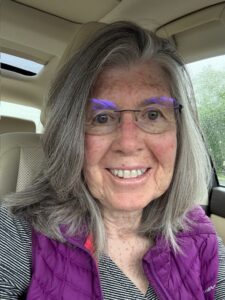
This blog is the first in a new series for New York Academy of Medicine: a profile of one fellow and their contributions in health and medicine. Just like our recent New Year’s Resolutions blog, this piece follows a question-and-answer format that either magnifies or introduces Regina Olasin, DO, FAAP, FACP. Dr. Olasin is New York Academy of Medicine Pediatrics Section Chair, and is also a fellow. She was kind enough to spend a few minutes with us to discuss how she entered the medical field, lessons she learned from both the HIV/AIDS epidemic and the Covid-19 pandemic, and her hopes for the future of professional medicine.
Some of Dr. Olasin’s answers have been lightly edited.
1. Please introduce yourself to our audience. Who are you, and what is your wor background in the health space?
I’m Regina Olasin; I’m currently retired. I had trained in internal medicine and pediatrics at the height of the HIV epidemic in Newark, NJ, and practiced for 37 years with multiple historically marginalized groups.
My last position was as chief medical officer in New York City at Care for the Homeless, which provided on site, federally-qualified health centers in the city shelters. I ended up working through 2023 and that was (during) the downturn of the pandemic. I sort of worked from epidemic to pandemic, I guess.
2. What or who do you credit for wanting to make this your career?
I was with my mother when she received devastating news from the primary care doctor that her sixth child, my youngest brother, was born with the same developmental disability as my other sibling. She was heartbroken. I remember vividly that I wanted to be the kind of doctor that didn’t make their patients cry. That was really the beginning of wanting to pursue medicine.
Unfortunately, I can’t say that I didn’t make any patients cry, but there was an interesting twist to the perspective of how I ended up practicing mostly with marginalized groups. A very significant chapter in my career was practice at a residential facility for the developmentally disabled in upstate New York.
It was an amazing healing experience for me with children from age five (to) adults up through 95, all of whom had been institutionalized for different reasons for many years.
I knew from my brothers that there’s so much that’s not appreciated in non-verbal populations, and it was (a) constantly humbling and heartwarming experience.
The non-clinical, non-transactional types of exchanges with patients have given me so much resilience through (hard) times and right now. Resilience, burnout, and moral fatigue are (unfortunately) common themes in discussion of practice with individuals in the health professions. I got my resilience from the patients on a daily basis.
3. You previously wrote to me that a physician’s definition of ‘writing’ doesn’t necessarily align with the type of writing that you are now interested in pursuing. Can you elaborate on what you mean?
In my retirement (I want) to write, and I have a recollection of heart-to-heart moments with patients over 37 years of practice.

I had this deep misapprehension because physicians document on a daily basis that I would be able to write just about different things. (I was) so incredibly wrong. Documentation is very objective and dictatorial. It’s all the things that anybody other than a physician or a lawyer would have no interest in reading.
I’ve been learning and unlearning (how to write) over the past 18 months. It’s a whole different approach to engaging someone; it requires showing, not telling, and the appropriate use of descriptors and action words. It’s vastly different from effective documentation.
[In] the first round of my rendition, my vignettes (were) read. Someone said, “Regina, this sounds like office visits.”
4. Working at the heights of the AIDS epidemic within internal medicine and pediatrics and then as a CMO on behalf of the unhoused population during the Covid crisis, sounds both very heavy and extremely important given the specific challenges these people were facing. What has been the source, or sources, of your resolve over the years?
My husband has been a wonderful supporter, listener, and believer. I’ve had very good friends, but my husband really comes to the top of the list. Also, the profession of medicine. I hope it remains a profession, and it doesn’t become a transactional trade with a lot of what’s going on right now.
There’s a peculiar camaraderie among physicians during extremely stressful times. To some extent there’s a selection process for people who are earnest, committed, competitive, and loners. There’s a lot of individual activity or information that (must) be assembled repeatedly to be able to work effectively. But, working in a team and sharing a lot of frustration is different. I felt that the day I was the most tired, hungry, (and) neglected was probably a good day compared to many of the people (in my care). During Covid there were individuals in shelter environments who were reassigned to vacant New York City hotels. But (there) was an incredible loneliness and isolation in being on call and responding to individuals who had no one to talk to.
(I would) get calls at odd hours of the night and early morning, and sometimes you could do something helpful, medically. A lot of times, it was a lonely person who desperately needed somebody to talk (with) and listen.
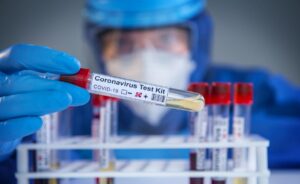
I was a senior physician on the outpatient side, and what was going on in major (medical centers) was vastly different. For the medical students and the residents that were being trained, I think (the Covid pandemic) had an everlasting impact on them. So much was not known, (but) we did know that nobody got better and that there was a downward spiral, especially early on. That led to incredible insights into (Covid) epidemiology and immunology.
HIV is a chronic illness. Now, nobody died from (it). They died from opportunistic infections and immunosuppression because of the virus. (This) is distinctly different from Covid, which caused a multi-system failure. We found an immunization which has prevented thousands of deaths.
Covid is still a serious disease because it keeps morphing and changing. Both diseases manifest somewhat differently in children than in adults. One of the biggest tragedies in my training was that I would do six months of pediatrics and six months of (internal) medicine and most of my pediatric exposure (was) in the NICU. There were multiple transfusions given to very low birth weight infants, and they’d do well and be discharged. It was before we knew about the blood transfusions’ potential contamination. Many of the children unfortunately would come back with opportunistic infections at 18 to 24 months.
5. It seems like helping the most vulnerable in our communities has been something of a calling card for you. Can you tell us why it’s so important to continue empowering disenfranchised people and communities?
If you look at the great institutions of healthcare, they are all surrounded by the poorest communities. I think the health of the communities over a generation or two has really not been impacted. (Regarding) the (houseless) population, housing is healthcare. I could come up with a lot of medicines and a couple of tests and a few specialists, but when someone doesn’t even have a place to store their medicines, they’re in a shelter and their health, for them, is not a priority.
There have been great steps made in working with developmentally disabled children. We have over 1,000,000 individuals who 20 years ago would not have seen their 14th birthday, but they are now turning 21. It’s because of excellent care coordination and a focus on quality of life for individuals with multiple disabilities.
(Statistically) someone who’s chronically homeless has a 10-year lifespan decrease compared to someone who has regular living arrangements. That speaks to things that we societally can do something about. Recognition probably needs to be the first step. Nutrition, stability, and early relational health (are all) absolutely critical.
In terms of bringing a child along and up to avoid (some negative) predictable outcomes, early relational health is critical and (so is) literacy. Every time a child comes for a well visit, they (could) have a book, and the parent (could) use the book as a tool. (Ideally), picture books in languages that are the same as the individual family with pictures of children that look like the child (are) simple and yet critical (details).
6. Is there anything else you’d like to share that I have not asked?
I feel incredibly fortunate to have practiced for 37 years. I’ve loved medicine, I still do. I like to think of retirement as a real passing the passing the baton. I think over time information becomes wisdom. The repetition of situations can give an insight that is multi-dimensional and different than a flat answer. I’m grateful for the opportunity to continue to be able to interact with younger physicians as they come through the profession.
Wednesday, February 11, 2026
5:30pm-7:30pm
Venue
New York Academy of Medicine
1216 Fifth Avenue at 103rd Street
New York, NY 10029
The event is free; advance registration is required.
Register
Thursday, November 20, 2025
4:00PM – 5:00PM
Venue
This will be a virtual event. Login information will be included in your confirmation email.
The event is free.
Please join New York Academy of Medicine Library for a presentation by our 2025 Klemperer Fellow in the History of Medicine, Leigh Alon, on research she conducted using the Library’s resources.
Abstract
The arrival of millions of new Jewish immigrants, as well as the rise of the eugenics movement, led to an increase in antisemitic sentiment in the United States in the early 20th century. American Jewish physicians, like other Jews, represented a wide range of ideologies regarding how this frightening trend should be addressed at home and globally, running the gamut from religious orthodoxy, to Jewish immigration to Palestine, to Jewish autonomous communities in the United States, to the complete integration of Jews with their fellow Americans. Unlike most American Jews, however, they were especially well equipped to couple these recommendations with their authority on Jewish biology, directly countering the scientific racism of eugenicists. This insider knowledge, along with the high esteem medical men were held by Jews at the time, made the voices of American Jewish physicians central to the community’s answer to “The Jewish Question” in the United States. While they disagreed on some biological nuances, early 20th century American physicians were broadly united in their resistance to a hereditarian notion of Jewishness: that Jewishness was biologically inscribed and that the Jewish body was inevitably distinct from the rest of the human race. By delving into the published writings, personal correspondences, and diary entries of two Jewish physicians who were in many ways ideologically opposed, I will show how early 20th century American Jewish physicians, regardless of their politics, saw delegitimizing the biological basis for Jewishness as imperative towards securing their community’s future.
About the Speaker
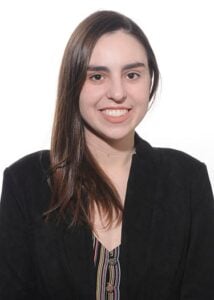
Leigh Alon is an MD/PhD student in the History of Medicine at Johns Hopkins University, in her fifth year of the PhD. She is working on a dissertation tracking how American Jewish physicians defined Jewishness in biological terms from the late 19th into the 21st century.
Venue
This will be a virtual event. Login information will be included in your confirmation email.
The event is free; advance registration is required.
Register
Childhood vaccination coverage in the United States has fallen below 93% for the first time in decades, well under the 95% threshold needed to maintain herd immunity. Meanwhile, measles cases have surged to their highest levels in thirty years. Despite clear evidence linking declining rates to rising exemptions and misinformation campaigns, the full impact on pediatric health outcomes remains incompletely understood. This workshop will delve into recent trends in pediatric vaccination and prenatal screening, identify the social and political barriers driving these changes, and highlight emerging strategies to safeguard maternal and child wellbeing in a shifting public health landscape
Speakers
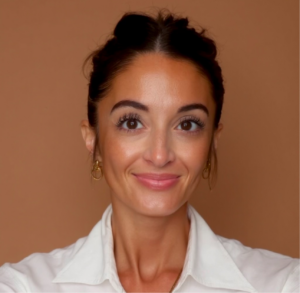
Sonia Djafri, PA-C
Sonia Djafri, PA-C, is a Labor and Delivery Physician Assistant at Weill Cornell Medicine/New York Presbyterian, where she provides care across obstetrics, gynecology, and perinatal services. She is passionate about advancing women’s health, addressing healthcare disparities, and creating visibility for PAs in the field of obstetrics. Beyond clinical care, Sonia mentors PA students and has organized multiple fundraisers to support her hospital’s women’s health clinic. She believes in combining compassion and evidence-based care to empower both patients and providers.
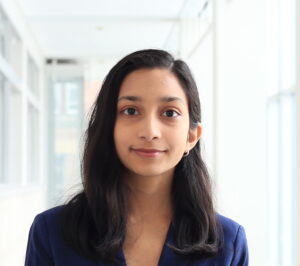
Nadia Khan, BS
Education: BS from Cornell University
Research/Clinical area: refugee health, immunology, cancer
Advocacy area: refugee health equity, gender disparities, pipeline program
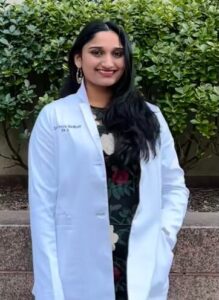
Sri Sravya Gudipati, BS
Education: BS from California Polytechnic University
Research/Clinical area: Physician Assistant Studies
Advocacy area: healthcare disparities, advocacy for the unhoused.
New York, NY, Feb 21, 2025 (GLOBE NEWSWIRE) — THE NEW YORK ACADEMY OF MEDICINE AWARDS TWO 2025-2027 JEREMIAH A. BARONDESS FELLOWSHIPS IN THE CLINICAL TRANSACTION
Dr. Jessica Lichter is an Assistant Professor and academic hospitalist at Elmhurst Hospital, part of the New York City Health + Hospital public health system located in the Borough of Queens, an affiliate of the Icahn School of Medicine at Mount Sinai
Dr. Shyam Sundaresh is an Assistant Professor of Medicine at the Icahn School of Medicine at Mount Sinai.
The New York Academy of Medicine (NYAM), in collaboration with the Accreditation Council for Graduate Medical Education (ACGME), is pleased to announce that the 2025-2027 Jeremiah A. Barondess Fellowship in the Clinical Transaction is awarded to Dr. Jessica Lichter and Dr. Shyam Sundaresh.
Jessica Lichter, MD, is a hospitalist at Elmhurst Hospital, NYC Health + Hospitals, (Mount Sinai Affiliate), who plans to further develop and evaluate an innovative simulation platform that she developed, ChatMD, to improve communication skills related to code status discussions in the hospital setting and to enhance humanistic care among internal medicine residents.
Shyam Sundaresh, MD, is an Assistant Professor in the Division of General Internal Medicine, Mount Sinai Hospital who plans to implement, evaluate, and disseminate the use of Brief Direct Observation of clinical encounters to provide feedback to internal medicine residents on their communication skills for patients with mental health conditions, including depression and anxiety, in the ambulatory care, general internal medicine setting.
The ACGME and NYAM will recognize Drs. Lichter and Sundaresh at the ACGME Annual Educational Conference, to be held in Nashville, Tennessee from February 20th to 22nd.
The Barondess Fellowship is awarded to junior faculty members in internal medicine to enhance medical students’ and residents’ training in the clinical transaction, a fundamental element of clinical care. The two-year, $50,000 fellowship aims to improve the patient experience by innovating and strengthening the critical skills that characterize the clinical transaction, including communicating with patients, conducting the physical exam, and applying clinical reasoning.
“Preparing clinicians to enhance their communication skills, a crucial element of the clinical partnership between providers and patients could not be more critical toward advancing better health for all,” said NYAM President Ann Kurth, PhD, CNM, MPH.
“Effective communication is a critical element of patient care. It builds trust and strengthens the bond between patient and physician. The ACGME is delighted to recognize Drs. Lichter and Sundaresh, and we look forward to the outcomes of their projects,” said ACGME President and CEO Debra Weinstein, MD.
-More-
“My current research focuses on harnessing artificial intelligence (AI) to enhance physicians’ communication skills, particularly around end-of-life care. I am deeply honored to receive the Barondess Fellowship to pursue this work, and view it as both an opportunity and responsibility to create an AI that strengthens our humanity as physicians rather than diminishes it,” said Dr. Jessica Lichter.
Dr. Lichter is an assistant professor and an academic hospitalist at Elmhurst Hospital, an affiliate of the Icahn School of Medicine at Mount Sinai. She is a trained simulation specialist and completed a fellowship in medical simulation at the NYC Health + Hospitals Simulation Center. She completed residency in internal medicine at New York University and medical school at Sidney Kimmel Medical College at Thomas Jefferson University in Philadelphia. Prior to her medical career, Dr. Lichter obtained a master’s degree in neuroscience from the University of California, San Diego and a bachelor’s degree from Duke University. Her current research focuses on using conversational artificial intelligence to enhance communication skills among clinicians.
“We face a growing shortage of mental health care. Even more concerning, is that many who need mental health care the most are disproportionately affected by this shortage. By training Internal Medicine residents in mental health care, we can help bridge this gap. I am incredibly grateful to NYAM and the ACGME for awarding me the Barondess Fellowship, providing an opportunity to address this critical educational need,” said Shyam Sundaresh, MD.
Dr. Sundaresh is currently an Assistant Professor at the Mount Sinai Internal Medicine Residency Program. He graduated medical school at the Case Western Reserve University School of Medicine, and trained at an Internal Medicine Primary Care Residency at Weill Cornell Medical Center. Before a career in medicine, Dr. Sundaresh completed a Bachelor of Arts in Music at Northwestern University. He then became a music teacher for people with special needs. This work inspired his eventual focus in communication skills and mental health within primary care.
Dr. Jessica Lichter
The 2025-2027 Recipient of the Jeremiah A. Barondess Fellowship in the Clinical Transaction
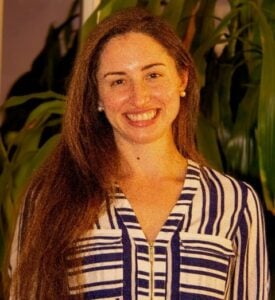
Dr. Shyam Sundaresh
The 2025-2027 Recipient of the Jeremiah A. Barondess Fellowship in the Clinical Transaction
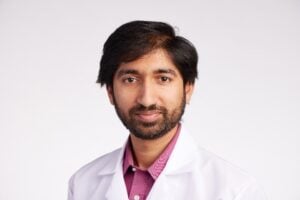
Dr. Emily Murphy of the Johns Hopkins University School of Medicine receives prestigious fellowship to integrate social determinants of health learning into resident training.
New York, NY (March 8, 2024) – The New York Academy of Medicine (NYAM), in collaboration with the Accreditation Council for Graduate Medical Education (ACGME), is pleased to announce that the 2024-2026 Jeremiah A. Barondess Fellowship in the Clinical Transaction is awarded to Dr. Emily Murphy, Assistant Professor of Medicine and Pediatrics at the Johns Hopkins University School of Medicine.
Dr. Murphy’s educational intervention supported by the Fellowship focuses on teaching residents to integrate social determinants of health (SDoH) into clinical reasoning and developing patient-centered plans. In short, she will teach clinicians at the bedside how they should interpret and apply social determinants of health data in the clinical care of patients to affect meaningful change in patient outcomes.
The ACGME will recognize Dr. Murphy at its Annual Educational Conference, to be held in Orlando, Florida, from March 7 to 9, 2024.
The Barondess Fellowship is awarded to junior faculty members in internal medicine to enhance medical students’ and residents’ training in the clinical transaction, a fundamental element of clinical care. The two-year, $50,000 fellowship aims to improve the patient experience by innovating and strengthening the critical skills that characterize the clinical transaction, including communicating with patients, conducting the physical exam, and applying clinical reasoning.
“Preparing clinicians to address the social determinants of health for their patients couldn’t be more critical toward advancing patient health and health equity,” said NYAM President Ann Kurth, PhD, CNM, MPH. “Meeting the training needs of residents will help strengthen their understanding of patient needs and providing necessary care.”
“The ACGME is proud to co-present the Barondess Fellowship to Dr. Murphy for her important intervention to integrate social determinants of health into resident training,” said ACGME President and Chief Executive Officer Thomas J. Nasca, MD, MACP. “Her work in this area is more important than ever in promoting patient-centered care.”
SDoH Curriculum for Internal Medicine Residents
Data suggest that at baseline, internal medicine residents have significant performance gaps in integrating the SDoH into clinical reasoning, indicating a need for formal education. To meet this need, Dr. Murphy will develop a curriculum for internal medicine residents in the Osler Medical Residency Program at Johns Hopkins University School of Medicine. This proposed curriculum will include multidisciplinary problem-based learning and supervised clinical experiences, and will assess impact on resident education and patient outcomes.
“In 2024, we will learn more about the social determinants of health impacting our patients than ever before due to required inpatient SDoH screening. If met with appropriate education, we have the opportunity to effectively incorporate SDoH into clinical reasoning to improve patient outcomes. I am thrilled to have been awarded the Barondess Fellowship to create a curriculum to meet this educational need and am grateful to NYAM and the ACGME for their support,” said Emily Murphy, MD, Assistant Professor of Medicine and Pediatrics, Johns Hopkins University School of Medicine.
Dr. Murphy is an Assistant Professor of Medicine and Pediatrics at the Johns Hopkins University School of Medicine (JHUSOM). Born in Massachusetts, she completed her medical education at JHUSOM and her residency at the Harvard Brigham & Women’s Hospital/Boston Children’s Hospital Medicine – Pediatrics Residency. Dr. Murphy practices as an academic Med-Peds hospitalist and is a clinician educator for both undergraduate and graduate medical learners. She is interested in how to teach future and current physicians to address social determinants of health. She is the 2023-2024 recipient of the Society of Bedside Medicine Fellowship, during which she designed and implemented a novel SDoH curriculum for the medicine clerkship. She plans to use the Barondess Fellowship to develop a practical, patient-facing SDoH curriculum for the Osler Medical Residency Training Program at JHUSOM.
About The New York Academy of Medicine
The New York Academy of Medicine (NYAM) is a leading voice for innovation in public health. Throughout its 177-year history, NYAM has uniquely championed bold changes to the systems that perpetuate health inequities and keep all communities from achieving good health. Today, this work includes innovative research, programs, and policy initiatives that distinctively value community input for maximum impact. Combined with NYAM’s trusted programming and historic Library, and with the support of nearly 2,000 esteemed Fellows and Members, NYAM’s impact as a health leader continues. To learn more,visit www.nyam.org and follow @NYAMNYC on social media.
About the ACGME
The ACGME is a private, nonprofit, professional organization responsible for the accreditation of approximately 11,700 residency and fellowship programs and the approximately 850 institutions that sponsor these programs in the United States. Residency and fellowship programs educate approximately 140,500 resident and fellow physicians in 181 specialties and subspecialties. The ACGME’s mission is to improve health care and population health by assessing and advancing the quality of resident physicians’ education through accreditation.
New York, NY (September 7, 2023)—The New York Academy of Medicine (NYAM) will present its prestigious, historic annual awards at a virtual event on Wednesday, September 27, 2023. Recognizing leadership and contributions in the medical and health-related fields, this year we honor scientists and healthcare leaders whose breakthroughs, innovations, and advancements will change the face of healthcare for years to come.
“In keeping with NYAM’s tradition of acknowledging and rewarding scientific excellence, we are thrilled to announce the recipients of the 2023 NYAM Annual Awards,” said NYAM President Ann Kurth, PhD, CNM, MPH. “Shining a light on the accomplishments of these exemplary individuals in the fields of biomedical science, health policy, public health, clinical practice, and service to the Academy gives us all hope for a healthier world.”
The 2023 NYAM Annual Awards and honorees include:
The Academy Medal for Distinguished Contributions to Biomedical Science
Presented to two individuals in 2023:
Claire M. Fraser, PhD
Dean E. Albert Reece Endowed Professor, University of Maryland School of Medicine
Former Director, Institute for Genome Sciences
Charles Rotimi, PhD
Scientific Director and NIH Distinguished Investigator, Inherited Disease Research Branch, NHGRI
The Biomedical Science Medal is given annually to accomplished investigators dedicated to using biomedical research findings to advance human health. The leadership, work, and achievements of these two outstanding individuals exemplify the spirit of this award: Dr. Fraser’s boldly leading the way in the uncharted territory of microbial genomics to fundamentally reshape the way scientists and researchers understand human life, and Dr. Rotimi’s call to increase diversity in genomics as a matter of a social justice imperative are inspiring reminders of the ways in which biomedical science can benefit the greater good.
Recipients of this award over the years have included Katalin Karikó and Drew Weissman, Elaine Fuchs, Harold Varmus, David Biltmore, and Réne Dubos.
+++
The Academy Medal for Distinguished Contributions in Health Policy
Denis Mukwege, MD
Founder, Panzi Hospital
Special Adviser, Dr. Denis Mukwege Foundation
The Distinguished Contributions in Health Policy Medal recognizes outstanding individuals who, through public service, community service, or advocacy, promote significant change in health systems to improve the health of the public and eliminate disparities. Dr. Mukwege’s courageous advocacy and unwavering determination to end wartime sexual violence embody the spirit of this award. The work of the Panzi Hospital and Mukwege Foundation has saved countless lives of women in the Democratic Republic of the Congo, and has had even broader implications for women around the world.
Recipients of this award over the years have included Freeman A. Hrabowski III, Donald Berwick, Margaret Hamburg, Uwe Reinhardt, and Ada Sue Hinshaw.
+++
The Stephen Smith Medal for Distinguished Contributions in Public Health
Rochelle P. Walensky, MD, MPH
Director, Centers for Disease Control and Prevention
Administrator, Agency for Toxic Substances and Disease Registry
The Stephen Smith Medal is given annually to outstanding individuals who have had a significant impact on public health policy, improving population health, and eliminating disparities. Dr. Walensky’s steadfast leadership through the unprecedented challenges of the pandemic was a remarkable service to every American. Through her research, guidance, and advocacy, Dr. Walensky helped to make the COVID-19 vaccine accessible to all, especially those in underserved communities.
Recent recipients of this award over the years have included Mary T. Bassett, Wafaa El-Sadr, Sir Michael Marmot, Harvey V. Fineberg, and William Foege.
+++
The John Stearns Medal for Distinguished Contributions in Clinical Practice
Presented to two individuals in 2023:
Mary-Claire King, PhD
American Cancer Society Professor, Department of Medicine and Genome Science, University of Washington
Clyde W. Yancy, MD, MSc
Vice Dean for Diversity and Inclusion, Chief of Cardiology in the Department of Medicine, and Magerstadt Professor, Northwestern University Feinberg School of Medicine
The John Stearns Medal recognizes lifetime achievement in medicine and extraordinary contributions to the clinical practice of medicine. The contributions of these two outstanding professionals exemplify the spirit of this award: Dr. King for her seminal work on BRCA1 that changed the way we treat, diagnose, and understand breast cancer, and Dr. Yancy for his focus on diversity and health equity in treating severe cardiac conditions.
Recent recipients of this award over the years include Kizzmekia Corbett, Barney Graham, William Gruber, Philip A. Pizzo, and David Hamburg.
+++
The Academy Plaque for Exceptional Service to the Academy
Edward H. Shortliffe, MD, PhD
Adjunct Professor of Biomedical Informatics and Chair Emeritus, Columbia University Department of Biomedical Informatics
Former Scholar-in-Residence, The New York Academy of Medicine
The Academy Plaque is an award of distinction for those who have made major contributions to the success of NYAM’s mission, programs, and organizational growth. Dr. Shortliffe’s tenure as a NYAM Trustee and long-standing supporter have contributed to the success of NYAM’s mission and programs.
Recent recipients of this award over the years include James Flynn, George E. Thibault, Claire Fagin, and Margaret Mahoney.
+++
Special guest introducers at the awards on September 27 include: E. Albert Reece, MD, PhD, MBA; Barry S. Coller, MD; Carmen R. Green, MD; Ann Kurth, PhD, CNM, MPH; Wendy K. Chung, MD, PhD; Jennifer H. Mieres, MD, FACC, MASNC, FAHA; and Wayne J. Riley, MD, MPH, MBA, MACP.
About The New York Academy of Medicine
The New York Academy of Medicine (NYAM) is a leading voice for innovation in public health. Throughout its 176-year history, NYAM has uniquely championed bold changes to the systems that perpetuate health inequities and keep all communities from achieving good health. Today, this work includes innovative research, programs, and policy initiatives that distinctively value community input for maximum impact. Combined with NYAM’s trusted public programming and historic library, and with the support of esteemed Fellows and members, NYAM’s impact as a public health leader continues. To learn more, visit www.nyam.org and follow @NYAMNYC on social media.
New York (February 24, 2023) – The New York Academy of Medicine (NYAM), in collaboration with the Accreditation Council for Graduate Medical Education (ACGME), this year has announced an unprecedented awarding of two fellowships for the 2023-25 Jeremiah A. Barondess Fellowship in the Clinical Transaction. Recipients include Jacqueline Birnbaum, MD, Assistant Professor, General Internal Medicine, University of Texas Health Science Center at Houston for her program Developing Inter-Visit Care Curriculum for Internal Medicine Recipients, and Daniel Sartori, MD, Assistant Professor of Medicine, NYU Grossman School of Medicine for his program Developing a Virtual Standardized Patient Program to Teach and Assess Trainees’ Clinical Skills in the Telemedicine Era.
The ACGME will recognize Dr. Birnbaum and Dr. Sartori at its Annual Educational Conference, held in Nashville, Tennessee from February 23-25, 2023.
The Barondess Fellowship is awarded to junior faculty members in internal medicine to enhance medical students’ and residents’ training in the clinical transaction, a fundamental element of clinical care. The two-year, $50,000 fellowship—awarded to each individual this year—aims to improve the patient experience by innovating and strengthening the critical skills that characterize the clinical transaction, including communicating with patients, conducting the physical exam, and applying clinical reasoning.
“This year NYAM is honored to present the Barondess Fellowship to two individuals who are pioneering innovative ways to address the active dynamic of patient-physician collaboration,” said NYAM President Ann Kurth, PhD, CNM, MPH. “Ensuring medical education keeps pace with the post-pandemic realities of evolving clinical practice will strengthen trainees’ preparedness to address patient needs and also enhance provider satisfaction.”
“The ACGME is proud to present The Barondess Fellowship, in partnership with The New York Academy of Medicine, for the first time to two individuals, Drs. Birnbaum and Sartori. Honoring Dr. Barondess’s teaching of clinical skills at the bedside to generations of medical students and residents, this year’s awardees transform Dr. Barondess’s groundwork for the digital age,” said ACGME President and Chief Executive Officer Thomas J. Nasca, MD, MACP.
Developing Inter-Visit Care Curriculum for Internal Medicine Recipients
Teaching the clinical transaction in the evolving context of inter-visit care poses unique challenges. The aim of Dr. Birnbaum’s proposal is to develop, deliver, and study multiple educational, patient-oriented, and clinical outcomes of a curriculum on inter-visit care. Additionally, the program aims to enhance the clinical transaction across telehealth and electronic communication modalities in the ambulatory setting.
“I am delighted and honored to have been awarded the Barondess Fellowship. Carrying out effective and efficient “inter-visit” care with patients in the ambulatory setting remains a vexing challenge for fully fledged providers. This is even more challenging for resident trainees in the rapidly evolving interface among technology, society, and medicine such as increasing patient engagement on electronic health record portals and open access to notes. Helping residents to adeptly navigate this landscape to develop their clinical skills, connect and communicate effectively with their patients, and find purpose and meaning and doing so is essential, and I am grateful for the support of the University of Texas Health Scienter at Houston, The New York Academy of Medicine, and the ACGME to pursue this work,” said Dr. Jacqueline Birnbaum.
Dr. Jacqueline Birnbaum graduated from the University of Pennsylvania and earned an MD from Boston University School of Medicine. She completed her internal medicine residency training at Baylor College of Medicine, where she was selected as a Chief Resident in Ambulatory Care. In 2021, she joined the Department of Internal Medicine at McGovern Medical School at The University of Texas Health Science Center at Houston (UTHSC), where she was offered the position of Associate Program Director for Ambulatory Care for the Internal Medicine Residency Program. In these roles, Dr. Birnbaum has led multiple educational efforts teaching clinical reasoning and patient communication, particularly in the ambulatory setting. She has collaborated in the development of a curriculum on advanced skills in patient communication and has led the effort to formalize the system for inter-visit follow-up and patient communication at the UTHSC resident continuity clinics, which will be the area of focus of her Barondess Fellowship.
Developing a Virtual Standardized Patient Program to Teach and Assess Trainees’ Clinical Skills in the Telemedicine Era
As telehealth has expanded dramatically in the wake of COVID-19, developing trainees’ virtual care skills to meet patients’ evolving needs is more critical than ever. Dr. Sartori’s innovative program will build upon simulation training already in practice at NYU by informing what is known about teaching, measuring, and assessing the complexities of virtual care.
“The Barondess Fellowship will enable us to create an innovative means of teaching and assessing the clinical transaction in the telemedicine era, and we are so grateful for the opportunity to bring this to our residents,” said Dr. Daniel Sartori.
Dr. Daniel Sartori is an Assistant Professor in the Department of Medicine at NYU Grossman School of Medicine and an Associate Program Director of the Internal Medicine Residency Program at NYU Langone Hospital-Brooklyn. Dr. Sartori attended Swarthmore College prior to his medical training at NYU Grossman, where he was a medical student, internal medicine resident and senior chief resident prior to starting his current role in the residency program. Dr. Sartori practices hospital medicine at NYU’s Brooklyn campus, which blends academic medical training in a community-facing hospital setting. He is interested in using simulation as a means of teaching and assessing the unique skills trainees need for telemedicine practice. He will use the Barondess Fellowship to create a workplace-based virtual standardized patient program for residents at the NYU-Brooklyn campus. Dr. Sartori lives in Brooklyn with his wife Marissa and kids Miriam (5) and Jacob (6 months).
About The New York Academy of Medicine
The New York Academy of Medicine (NYAM) is a leading voice for innovation in public health. Throughout its 176-year history, NYAM has uniquely championed bold changes to the systems that perpetuate health inequities and keep all communities from achieving good health. Today, this work includes innovative research, programs and policy initiatives that distinctively value community input for maximum impact. Combined with NYAM’s trusted public programming and historic library, and with the support of esteemed Fellows and Members, NYAM’s Impact as a public health leader continues. To learn more, visit www.nyam.org and follow @NYAMNYC on social media.
About the ACGME
The ACGME is a private, non-profit, professional organization responsible for the accreditation of approximately 11,700 residency and fellowship programs and the approximately 850 institutions that sponsor these programs in the United States. Residency and fellowship programs educate approximately 140,500 resident and fellow physicians in 181 specialties and subspecialties. The ACGME’s mission is to improve health care and population health by assessing and advancing the quality of resident physicians’ education through accreditation.