
When New York Academy of Medicine was founded, fossil fuel pollution that would come to heat the earth was very low; now, nearly two centuries of dramatically higher ‘greenhouse gas emissions’ (see graph) has led to warming that affects the health of humans and all other species that are entwined with our survival and wellbeing.
Last week, the 30th annual United Nations Climate Change Conference (COP 30) took place in Belem, Brazil, with tens of thousands gathered for global discourse about how to collectively combat this crisis. In the same week, the United States (which did not attend COP for the first time ever) proposed to dismantle protections for the clean air that we all want to breathe, and for endangered species.
Scientific Consensus: Humans Contribute to a Warming Planet that Harms our Health Outcomes
The scientific community has been sounding the alarm and dangers of our warming planet for decades. The National Oceanic and Atmospheric Administration (NOAA) noted that 2024 was the hottest year in recorded history. The documented impact on human health includes:
- 8 million people die prematurely every year due to fossil fuel-born air pollution
- Heat-induced deaths among people over 65 have significantly increased since 2010
- Billion+ dollar climate disasters are happening more often; in 2024 alone, there were 27 events costing US taxpayers and employers $182.7 billion
The consensus is clear, from research scientists and intergovernmental bodies to US citizens themselves, 63% of whom said in 2024 they are worried about ‘cimate change.’ Climate impact on human health is accelerating, but it’s important to note that there are actions to take, and that health professionals can be trusted sources to help protect patients, communities, and health systems.
COP 30: (Most) Nations United for Climate Action
Almost 200 countries attended COP 30, mirroring the 195 nations signed the groundbreaking Paris Climate Accords in 2015, which set the goal of holding average global temperature to well below 3.6 degrees Fahrenheit (2 degrees Celsius) above pre-industrial levels. A 2024 survey of hundreds of leading Intergovernmental Panel on Climate Change (IPCC) scientists showed, however, that almost half anticipate at least 3°C of warming.
COP 30 covered dozens of meetings each day, many of them discussing health impacts: from adapting the health sector to climate change, pivoting finance towards health needs for sustainable development, and regenerative agriculture for healthier diets. During COP 30, the Brazilian government launched the Belem Health Action Plan to help the country’s health sector adapt to the rigors of the climate crisis. New York Academy of Medicine participated in the development of this plan through the World Health Organization’s (WHO) Alliance for Transformative Action on Climate and Health (ATACH).
The U.S.: The Elephant Not in the Room but Trampling the Grass…
While the U.S. delegation was absent from COP 30 in Belem, back in Washington, D.C., the Trump administration proposed to gut the Clean Water and the Endangered Species Acts. “We were disappointed to see that the federal government did not send an envoy to COP 30. We were more disappointed to see the proposed destruction of longstanding, consensus government guidance that helps keep our water safe to drink and that supports other species who might help us discover the next cure for disease.” Ann Kurth, PhD, CNM, MPH, president of New York Academy of Medicine said. “A warming planet is hurting human health and addressing it takes the public and private sectors working in tandem at all levels.”
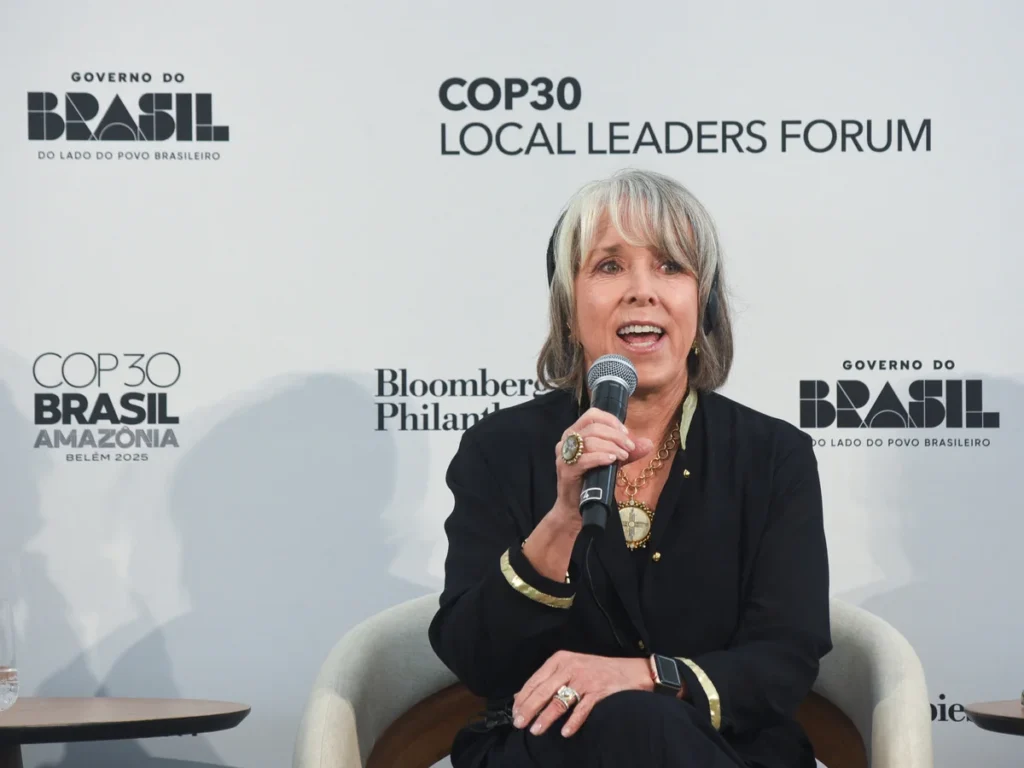
While the executive branch didn’t send delegates to COP 30, dozens of U.S. government officials at various levels of government did attend on behalf of their communities. From governors like Gavin Newsome of California to mayors like Katrina Evans of Campti, Louisiana, it was encouraging to see government officials from large states to small towns attend to address a cause that affects Americans across any political divides.
Resources to Fight Climate Change Locally
A hotter planet is a global problem, but the globe is comprised of communities. You and your colleagues can work on these issues at the local level, including with patients and in our hospitals. We can educate ourselves about emergency preparedness for extreme storms, flooding, and heat waves. It is important to keep in mind that:
- Climate change impact is now
- Effects on human health are growing
- We can act
- Health professionals are key for action
Here is a non-exhaustive list of trustworthy resources:
- Green your building (Clean Energy hubs)
- New York Academy of Medicine’s Heat Vulnerability Index Maps
- New York State Department of Health’s Air Quality Index
- New York State Department of Health’s Cooling Centers
- The U.S. Centers for Disease Control and Prevention’s (CDC) Environmental Public Health Tracker
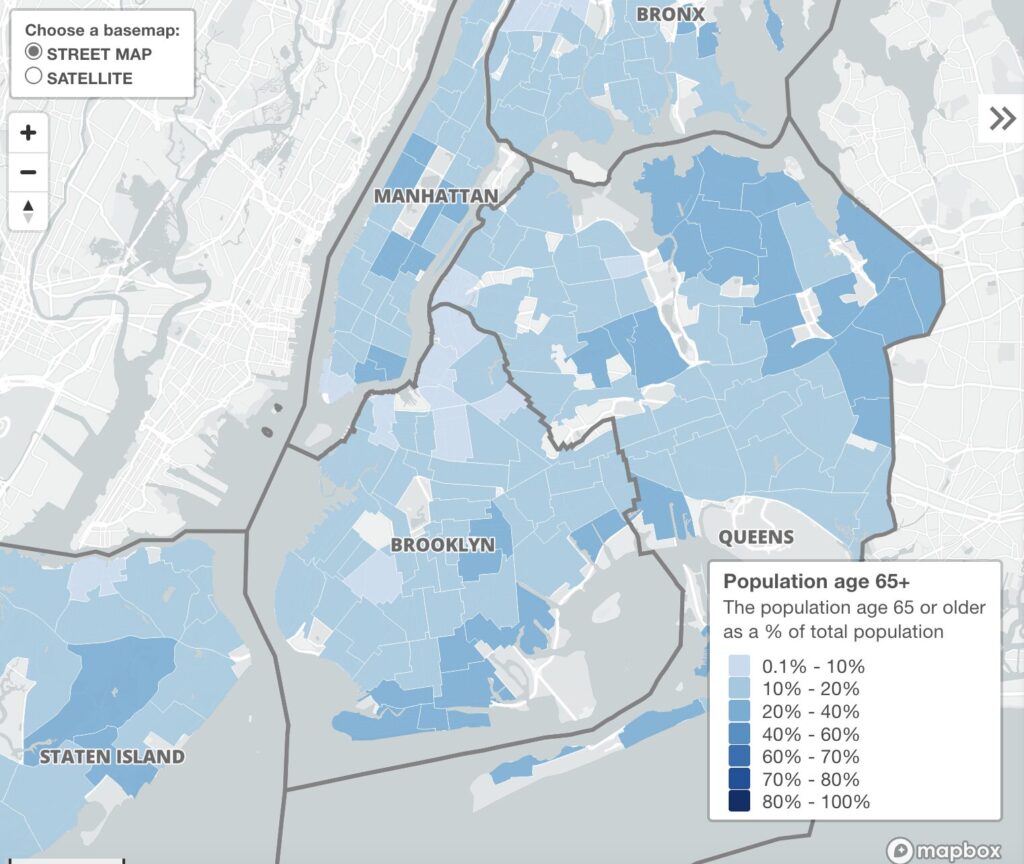
“Fighting climate risk starts at the local level. I’m proud of the work that we have done with the Heat Vulnerability Index Maps,” said Kathryn T. Hall, PhD, MPH, senior vice president, research at New York Academy of Medicine. “The map can be used by anyone who accesses it online. Each of the categories—climate, demographics, housing, public safety, socioeconomics, and voters—have detail like employment status, race/ethnicity, and health insurance type, to assess where people need support.”
Our planet is warming; magnified by human activity; the evidence is overwhelming and felt by most of us, no matter what it is called. As the effects grow ever more apparent, we remain steadfast in keeping our community informed about how to advocate for a more protected planet in which we can all live healthier, longer lives.
You can comment on proposed changes to the Clean Water/Endangered Species Act until December 20. There are four dockets available for public comments:
- Endangered and Threatened Wildlife and Plants; Listing Endangered and Threatened Species and Designating Critical Habitat
- Endangered and Threatened Wildlife and Plants; Interagency Cooperation Regulations
- Endangered and Threatened Wildlife and Plants; Regulations Pertaining to Endangered and Threatened Wildlife and Plants
- Endangered and Threatened Wildlife and Plants; Regulations for Designating Critical Habitat